
Scientists agree: We’re currently living during the sixth mass extinction, a time where the majority of species will be lost in a relatively short period of time. The current global biodiversity crisis has brought an alarming loss of ecosystems worldwide. But for people living in the middle of the United States, this issue can feel like something that’s happening on the other side of the world.
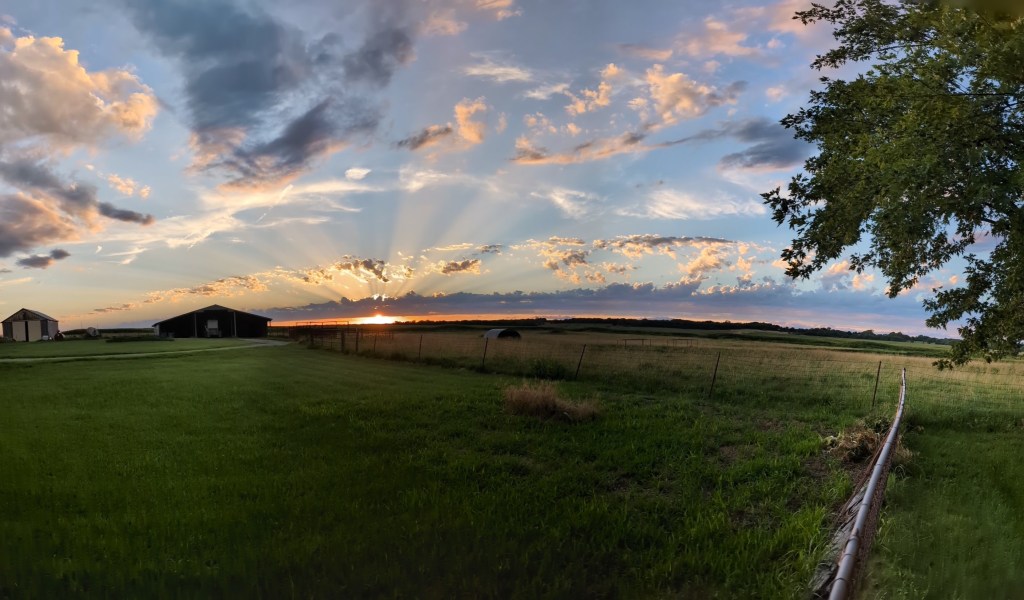
Here in eastern Kansas, the tallgrass prairie that once made up the landscape has been all but erased from local memory. Plowed under over a century ago, the people that live here and in nearby Kansas City, Missouri can live their entire lives and never encounter more than a few stray coneflowers planted in a garden bed. Researchers estimate that of the entire historical tallgrass prairie range — 170 million acres from Texas to Manitoba — less than 4% remains, making it one of the most endangered ecosystems in the world.
But people need their local ecosystems. Recent decades have seen an explosion in evidence for the value and services that intact ecosystems can provide, from promoting native pollinators, to improving air and water quality, improving soils, promoting recreation, and more — not to mention, as so many of us believe, the inherent value that nature holds. We’ve even seen increasing evidence that spending time outside and in nature actually improves human health, both mental and physical.
Returning to our roots
The practice of ecological restoration — reestablishing native habitats by planting native plants — is a way to both fight against biodiversity losses while promoting these healthful human-nature connections. But although restoration is widespread today in the realms of conservation, land management, and science, it has yet to penetrate the public psyche. Meanwhile 30% of the land area in the contiguous U.S. is residential — that’s a lot of yards that could be transformed into spaces that promote biodiversity while still serving the people that live in them.

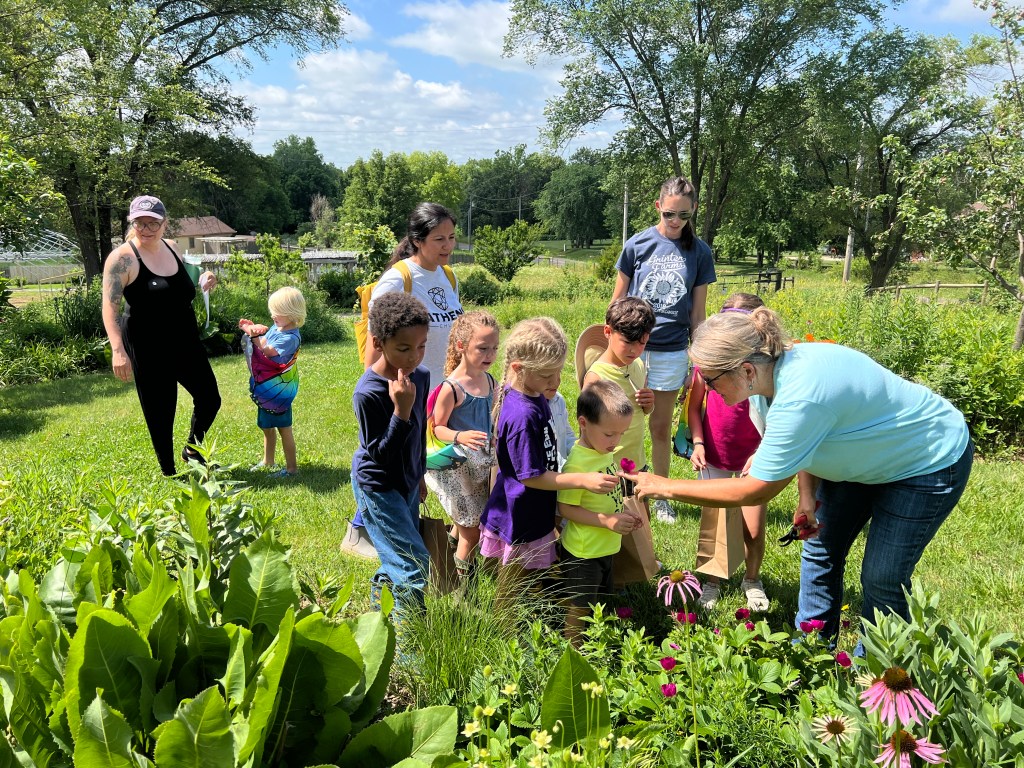
At Botanical Belonging, we see the incredible value that comes from reconnecting the local community to our native flora. To achieve this, we provide hands-on native plant education to not only raise awareness of the issues of local biodiversity loss and their solutions, but to equip and empower local people to take action by planting native plants.
How we’ll do it
Our hands-on programs give community members special access to diverse natural areas, providing not just another outdoor space to visit but somewhere to actually interact with and learn about ecosystems and plants they might never otherwise encounter. By partnering with local landowners, we can increase this access even further — especially critical since Kansas has some of the fewest public lands in the country. And with a native plant nursery on site at Happy Apple’s Farm, we have a unique opportunity to teach people how to care for and grow these native plants in their own gardens.

Our vision is for a regional community in which people sense the health and history of the land through familiarity with the plant communities growing around them — and are inspired and empowered to nurture those plant communities. To work toward this, our mission is to familiarize the people in our community with the native plants in our region by encouraging and enabling hands-on interaction. We promote knowledge of prairie and woodland plants native to our locality and how to identify them, their ecology, their historical range, their importance to the ecosystem, and how to grow them.
How you can help
It is important to us that our programming remains free — we believe that expendable income should not be a barrier to anyone’s sense of botanical belonging. Because of this, funding is the largest barrier between us and what we aim to do. It is through our sponsors, partners, grants, and individual donations that our work is made possible.
With your help, we will reacquaint our community with the ecosystems they’ve lost, teaching them to appreciate and understand plants, and the skills they need to grow them. We can’t wait to breathe new life into these habitats — and the humans that live in them — once again.
 Botanical Belonging